


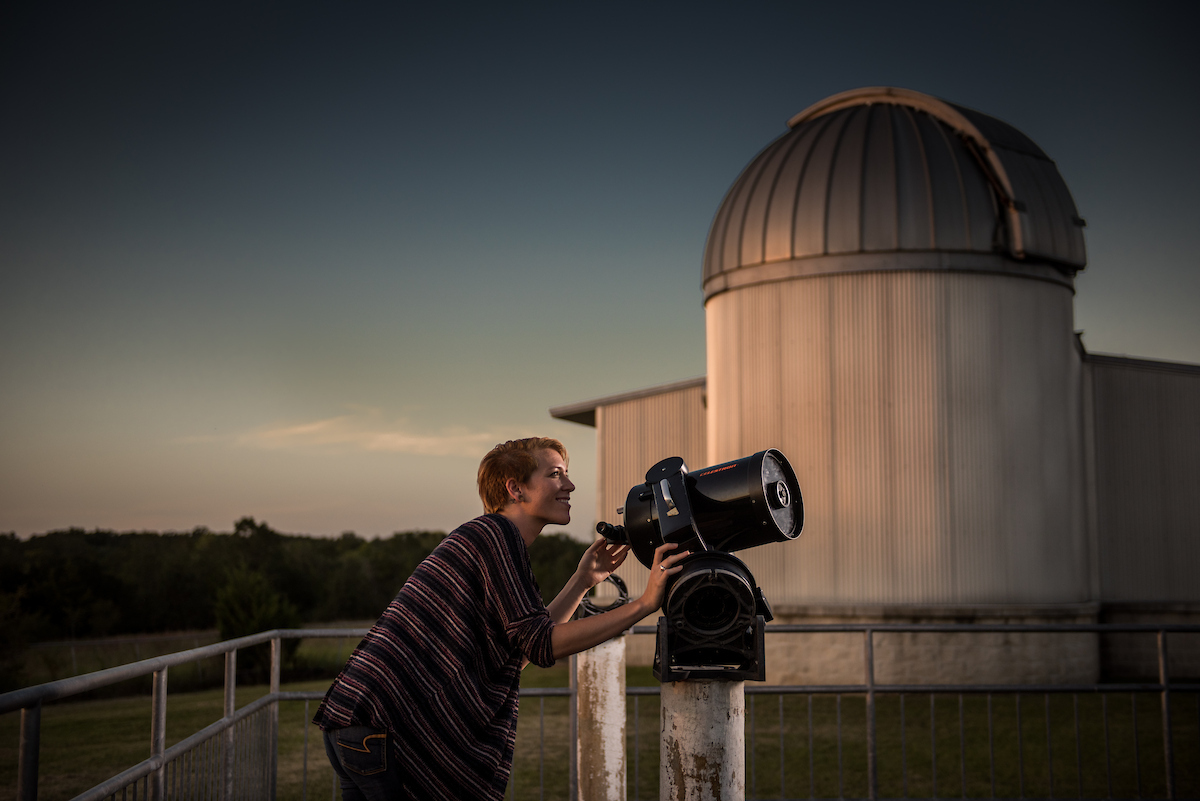
Research Experiences for Undergraduates
10-Week Summer Opportunity for Community and Liberal Arts college Students
Work with faculty mentors on projects in astrophysics, nuclear theory and computational physics, gain experience writing and presenting research, and even remotely operate telescopes in Arizona and Chile. The program includes a $7,000 stipend, free housing, travel support, and field trips to major research sites. It's an incredible chance to build your skills and explore the universe up close.
When: June 1 – August 7, 2026 (10 weeks)
Perks of the Program
Attend Field Trips
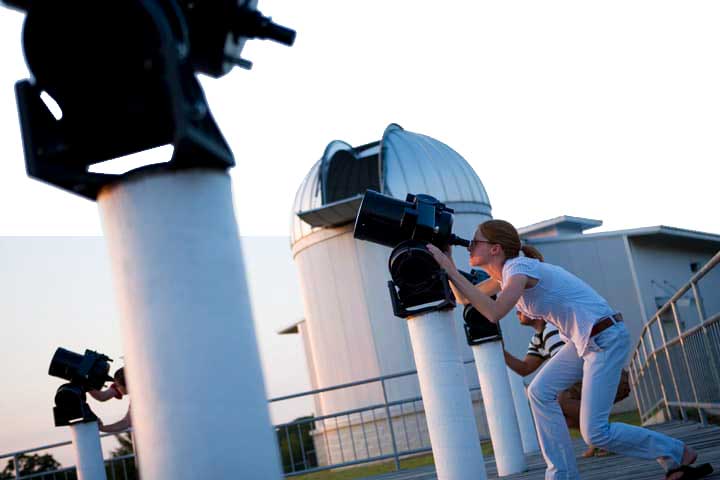
Participate in field trips to Texas businesses, research institutions and the McDonald Observatory in west Texas.
Gain Research Experience
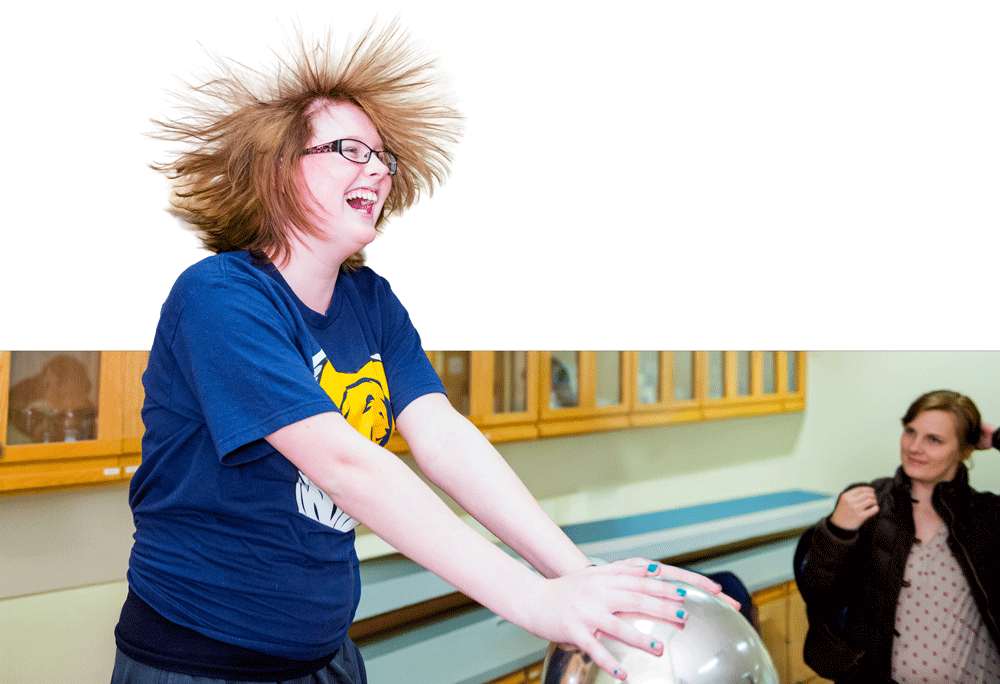
Collaborate on a research project with faculty mentors, graduate students and other REU students.
Present You Research
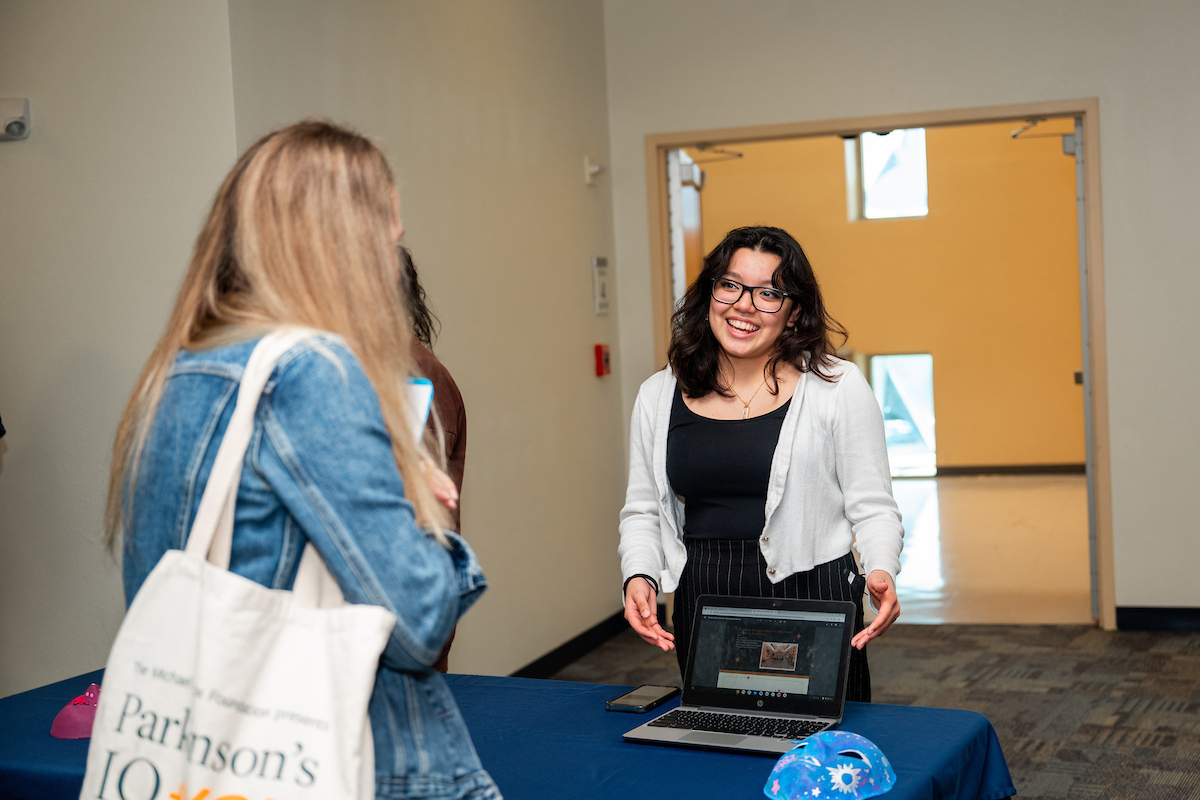
Develop in-demand communication skills by giving research presentations and writing scientific papers.
Access Valuable Tools
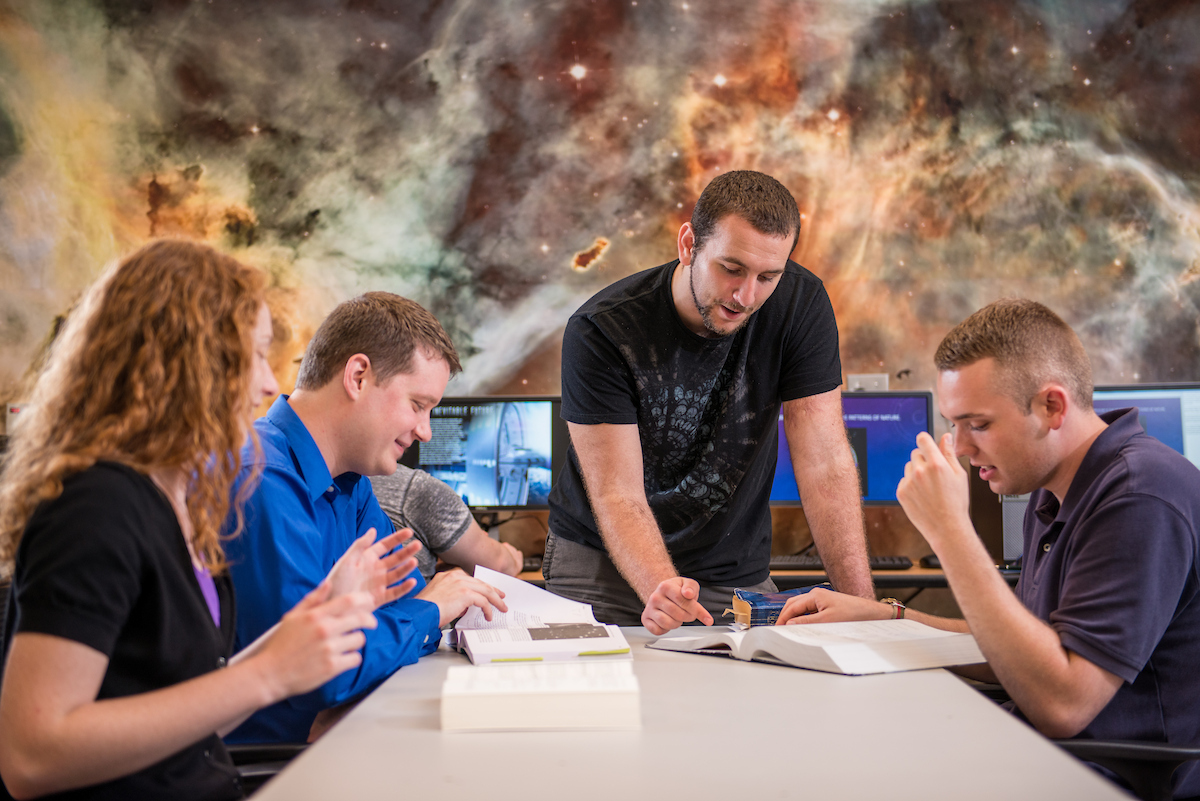
Remotely access state-of-the-art telescopes, including the SARA (Southeastern Association for Research in Astronomy) 0.9-m telescope located at Kitt Peak National Observatory outside Tucson, Arizona; the SARA 0.6-m telescope located in Chile; and several smaller telescopes at the East Texas A&M University observatory.
Receive Funding
Receive a $7,000 stipend, free housing on campus and travel support to and from Commerce, Texas.

Research Opportunities
Dive into discovery at East Texas A&M University, where our Physics & Astronomy REU offers undergraduates a chance to tackle cutting-edge research across a wide range of fields.
Dr. Kurtis Williams
White Dwarf Stars
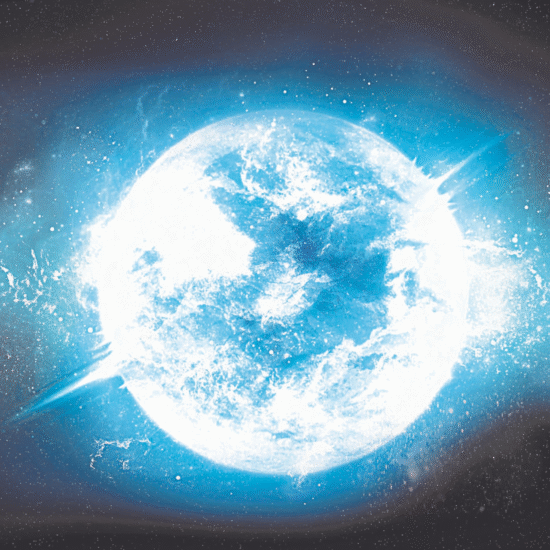
This opportunity lets you work directly with Dr. Williams on hands-on astrophysics research—ranging from white dwarf behavior to cataclysmic variables and exoplanet transits.

Dr. Kent Montgomery
Asteroid Light-curves
Gain hands-on experience studying asteroid light-curves—collecting and analyzing telescope data to determine each asteroid's rotation and shape—while building research skills that lead to a publishable paper in the Minor Planet Bulletin.
Dr. Matt Wood
Cataclysmic Variables
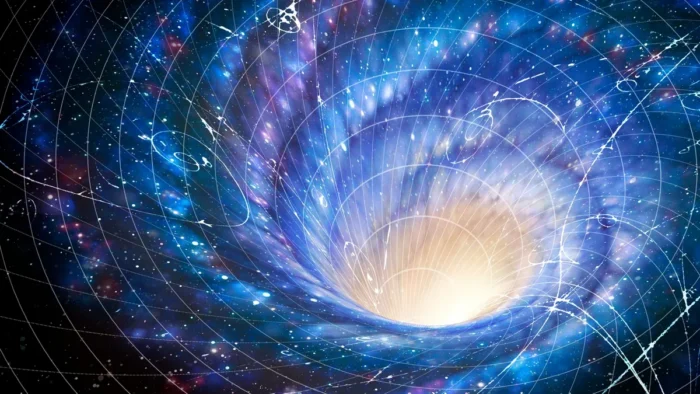
his opportunity lets you explore cataclysmic variable stars—either by analyzing multi-site telescope data or by modeling accretion-disk behavior—while learning observational or numerical techniques and producing research you'll present and write up by the end of the program.
Dr. Billy Quarles
Exoplanets and Binary Star Systems
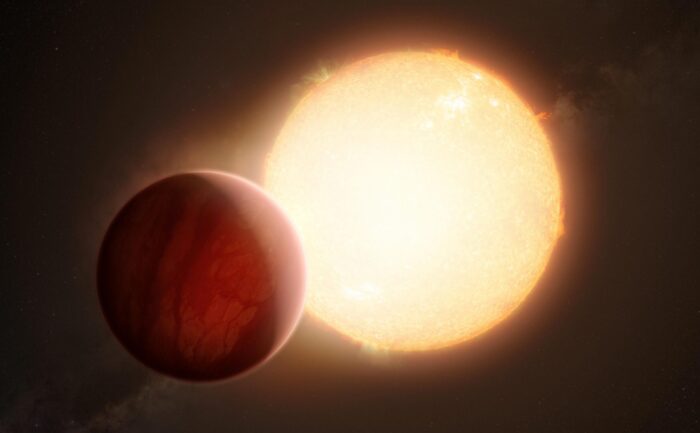
Learn to operate research telescopes, collect and analyze photometric data using Python-based tools, model your results against published work.

Dr. Robynne Lock
Physics Education Research
You'll explore how students develop their physics identity by analyzing the factors that shape attitudes toward physics, investigating strategies to broaden participation.
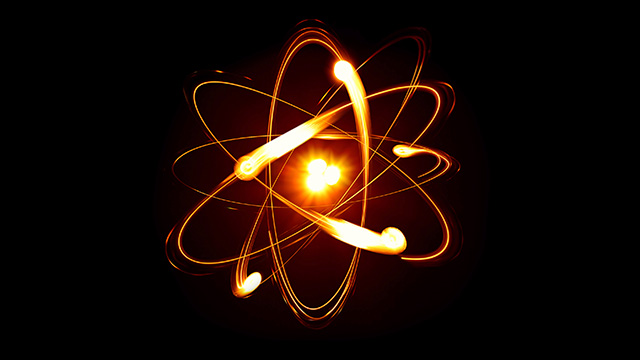
Dr. Bao-An Li
Equation of State
You'll use a transport simulation code to explore how different nucleon effective masses influence the behavior of neutron-rich nuclear matter in reactions, analyze the resulting data with mathematical and graphical tools, compare your findings with experimental results
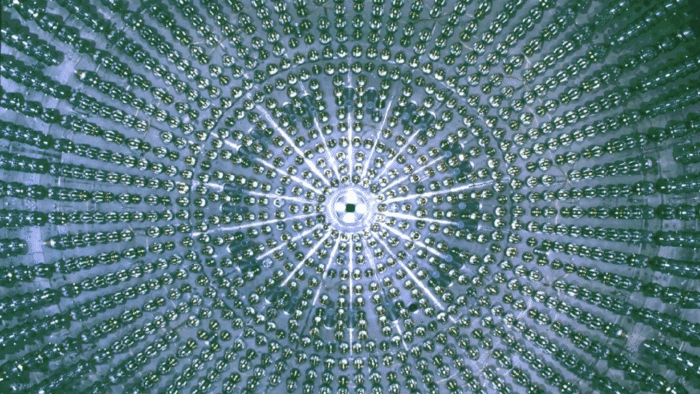
Dr. Carlos Bertulani
Neutron Skin Thickness of Neutron-Rich Nuclei
You'll build computational and analytical tools to extract neutron skin thickness and symmetry energy parameters from cutting-edge nuclear reactions, compare results across EIC and LHC data using advanced theoretical models and Bayesian methods, and contribute toward a unified framework linking laboratory measurements to neutron star structure.
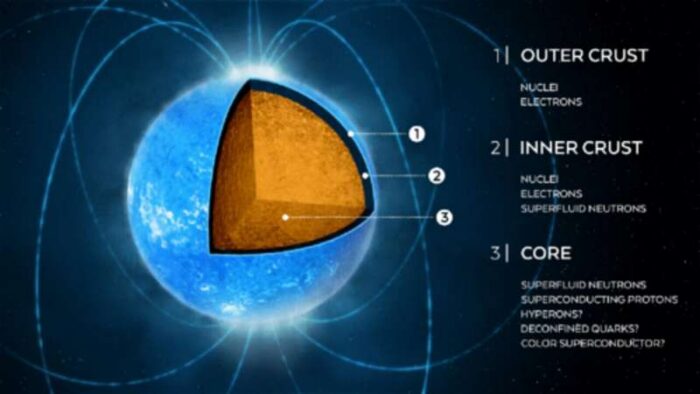
Dr. William Newton
Nuclear Physics of Neutron stars
You'll use FORTRAN and Python tools to model the Crab pulsar's cooling and spin evolution, compare your simulations with published observations, explore additional measurable properties from the literature, and determine whether the data support the leading stellar-evolution scenario.
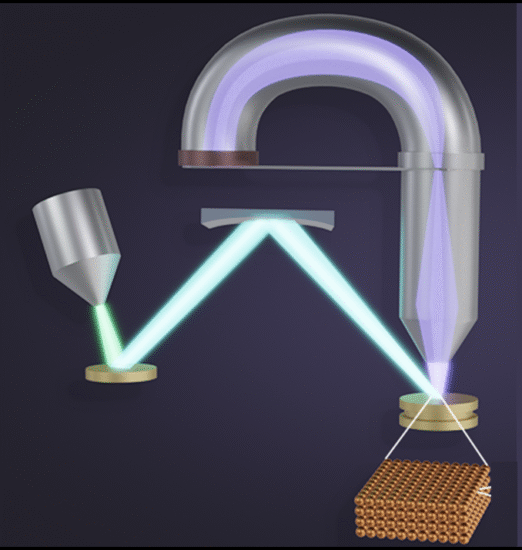
Dr. Anil Chourasia
Experimental Surface X-Ray Physics
You will conduct hands-on experiments growing and analyzing thin films on metal substrates, learn high-vacuum techniques, use advanced tools like RHEED, AFM, and XPS, and model your data with QUASES software to investigate film growth and composition.
Dr. Heungman Park
Experimental Organic Semiconductor Physics
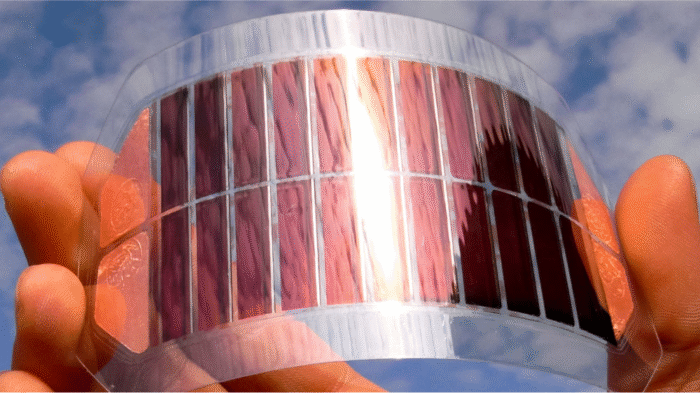
You will fabricate and characterize organic semiconductor thin films and solar cells, collect and analyze electroluminescence and photoluminescence data, and learn lab techniques and computational tools to study how processing conditions affect material properties.
Get Started
Six students from Community & Liberal Arts colleges will be selected to participate in a summer program. It will provide each student with a refreshing research experience lasting ten weeks. Each selected participant will work directly under a faculty mentor on a collaborative research project that matches the specific interests of the participant.
Eligibility
US citizen or Permanent resident (F1 visa students are not eligible)
Students from 2 or 3 year community college, and 4-year college/university which does not have graduate programs in student’s major department.
Apply
Deadline: February 28, 2026. (The program is subject to funding.)
Follow these steps to complete your application:
- Prepare your transcripts
- Screenshots or PDFs are accepted)
- Provide reference contact information
- Write an essay
- Describe yourself, your research interests, and your career goals (included in the application form).
- Complete the application form – attach all required files and submit.
This program is funded by the National Science Foundation, which supports STEM-related research opportunities for undergraduate students.
Contact Us
- Department of Physics and Astronomy
- 903.886.5488
- 903.886.5480
- [email protected]
- P.O. Box 3011
- Commerce, TX 75429-3011