

Reyna Laboratory for Upland Gamebirds
A Division of the Lyon Center for Gamebird Research
Field-tested science for today’s conservation challenges. Our research spans from partner ranches and public lands to our state-of-the-art laboratory at East Texas A&M University.
Turning GAMEBIRD decline into recovery
With quail populations down by over 80% in the last 50 years, the Reyna Lab is dedicated to securing their future.
Our approach is to see the whole picture. From embryonic development to adult survival, we track every life stage. Our team recreates environmental conditions to test solutions in the lab, and our research stations nationwide prove what’s possible.
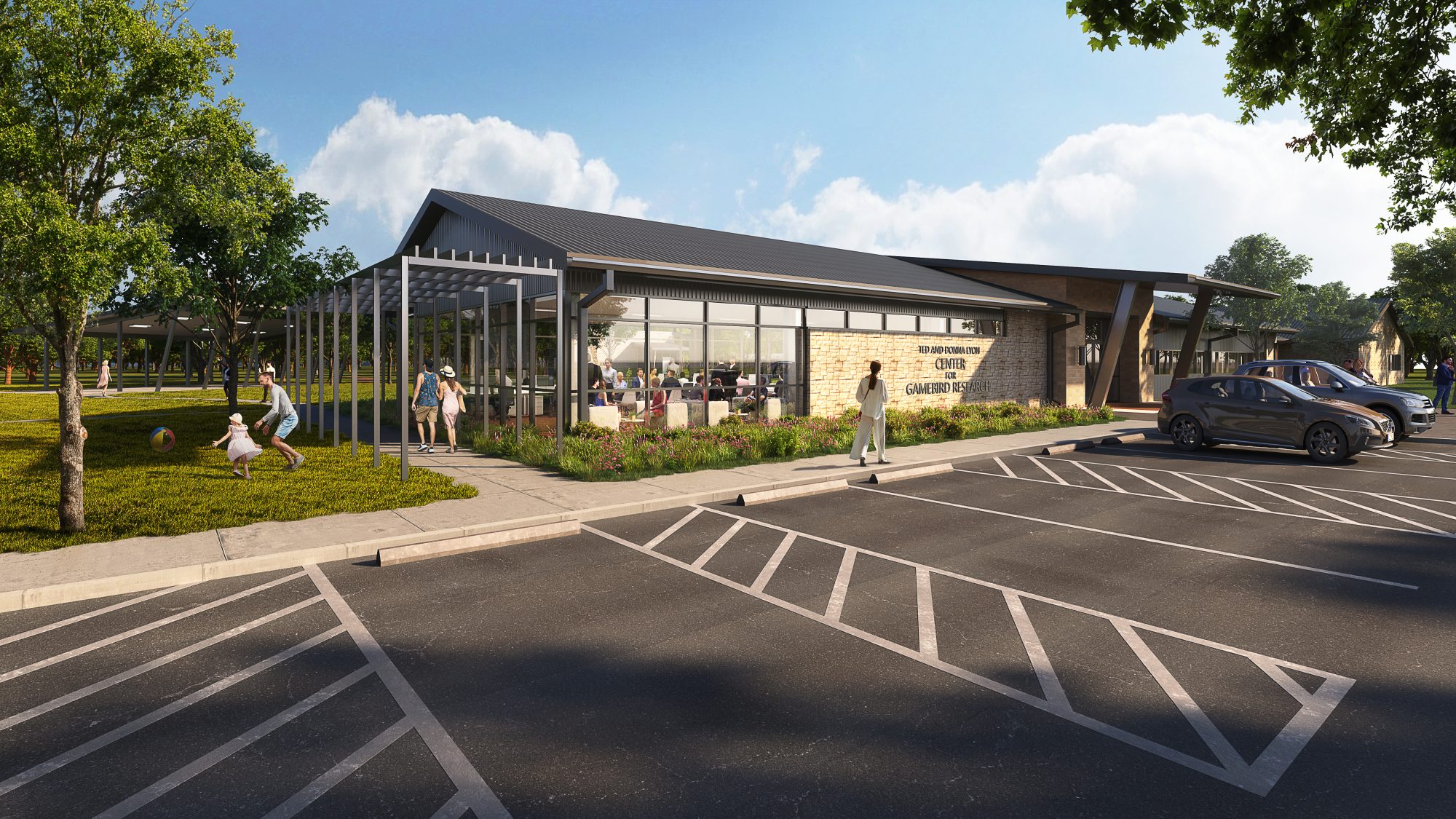
With the success of our research, we are building a new Quail Production Facility as part of the growing Ted and Donna Lyon Center for Gamebird Research complex.
Quail Research
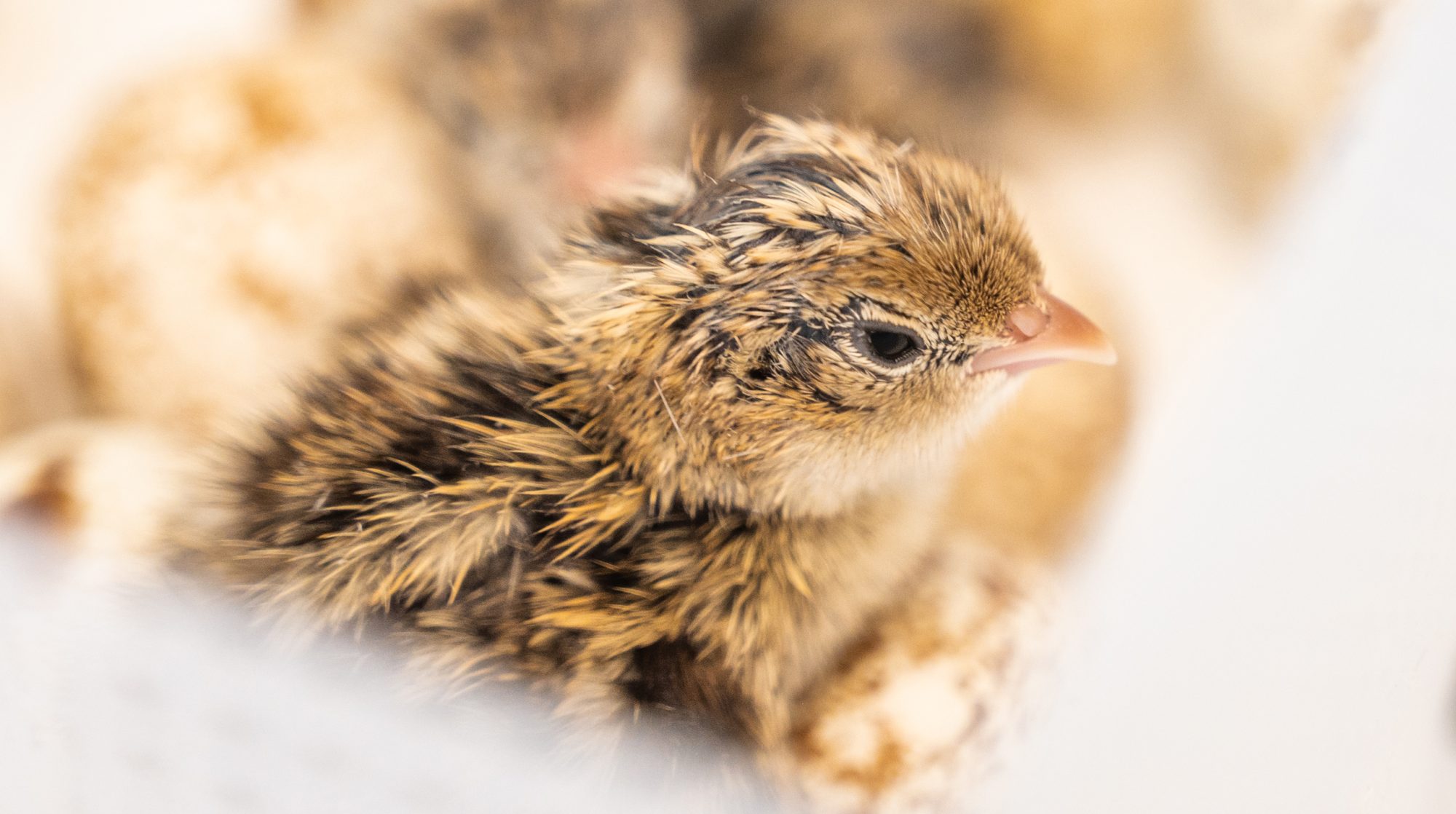
Since 50-80% of quail adults die each year, and a quail's lifespan is ~6 months, quail populations hinge on sustained quail chick production. Yet, that is the main cause of quail population decline in drought years. Accordingly, the Reyna Lab is able to recreate field conditions in the lab to develop solutions for chick production in adverse conditions. We also develop the normal stages of development for various quail species and look at environmental pollutants and medicated feed on quail chick production and development.
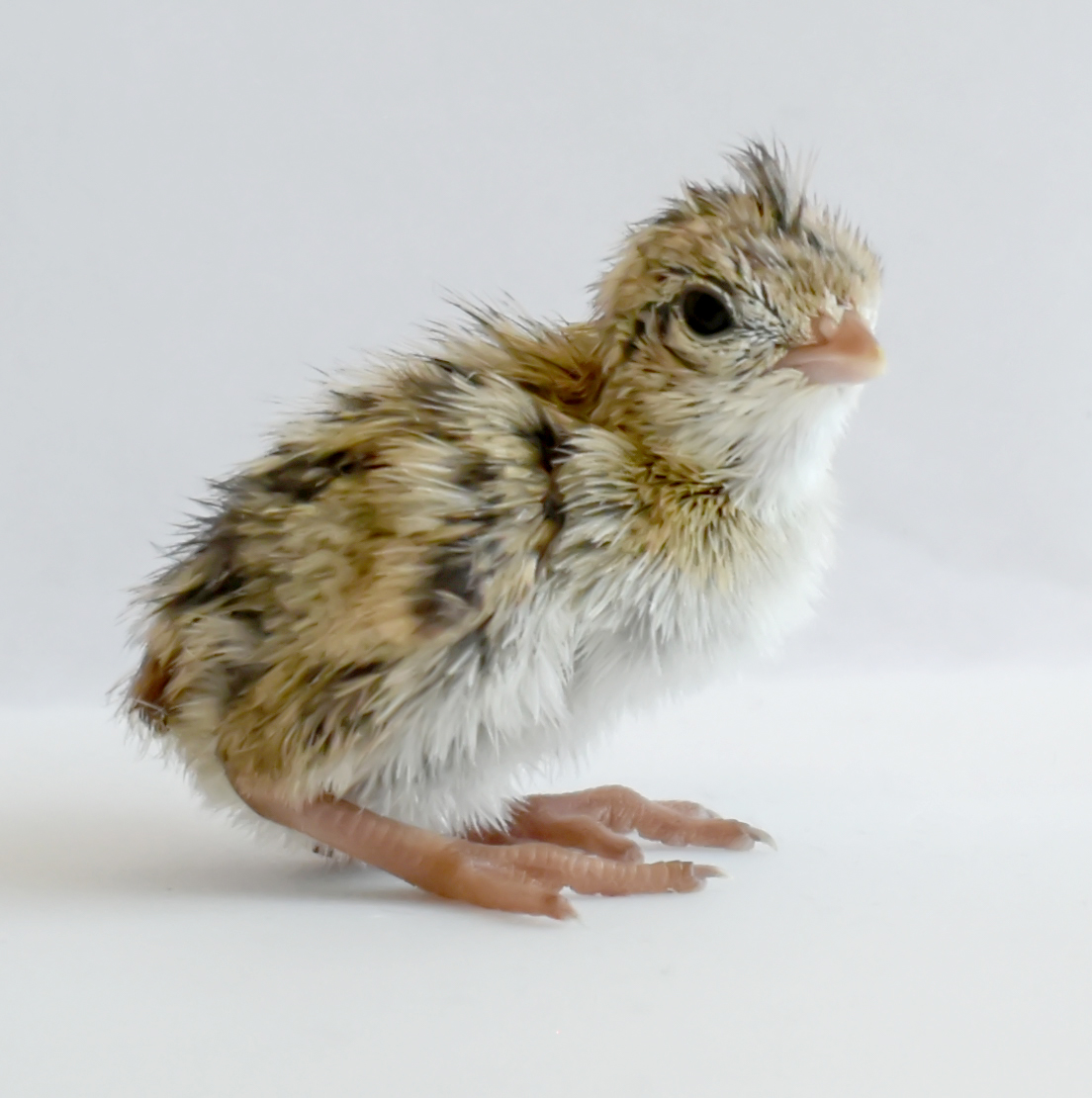
Gamebird and quail populations are declining across the globe. Developing solutions for population sustainability is key to reversing these trends. The Reyna Lab is unique in that our smallest research stations spans more than 500,000 acres. We image large-scale populations through innovative monitoring and provide results that explain observed mysteries of “where did all the quail go?” We have research stations in Montana, Kansas, California and Texas with comprehensive research into the impacts of climate, weather, management and other factors on a suite of upland gamebirds and waterfowl.
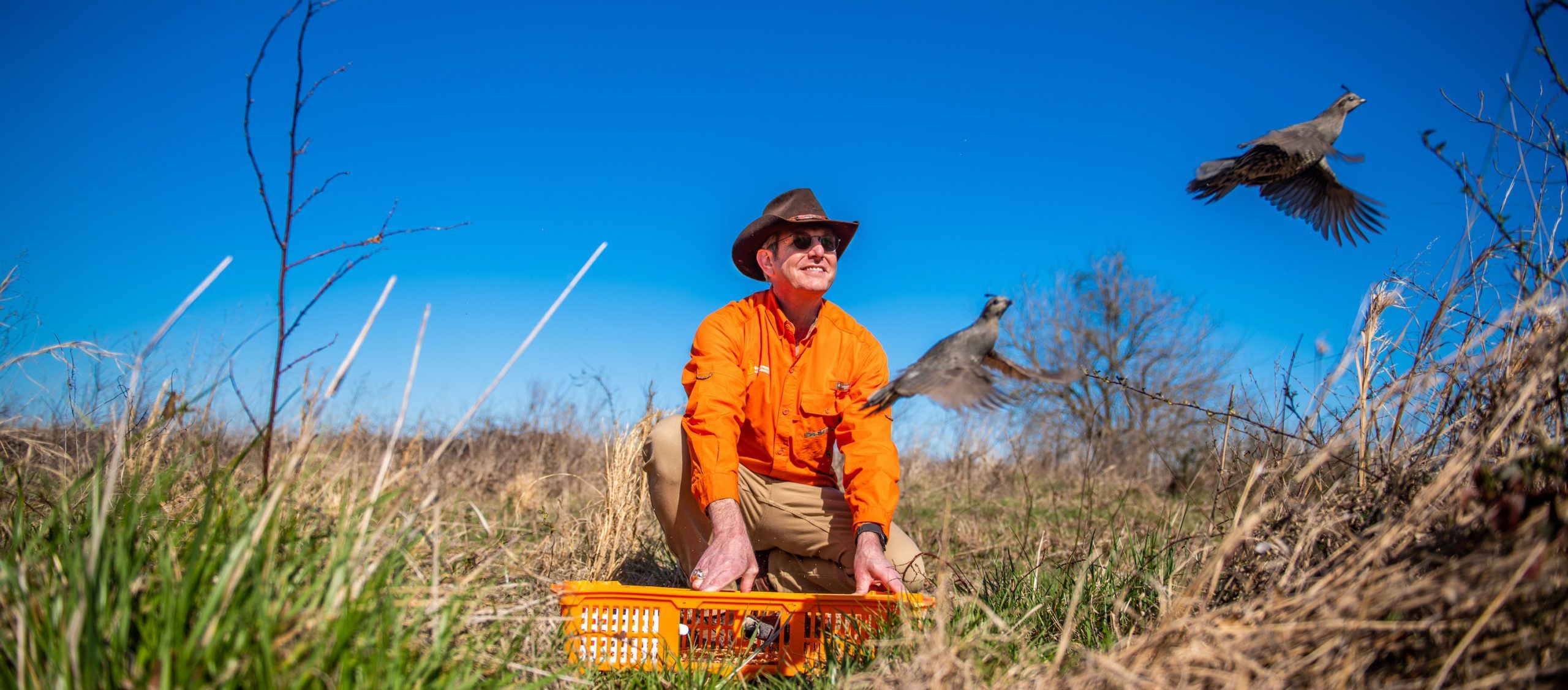
As gamebirds across the globe continue to decline, population restoration is at the forefront of conservation action. Once habitat is restored, gamebird restoration becomes a prominent focus. However, historic releases of captive-reared quail have been unsuccessful and translocation are typically cost prohibitive to make a positive impact on a population level. Accordingly, the Reyna Lab is leading the charge to develop an affordable and effective solution to gamebird restoration. Our Super Quail project is promising and a new Super Quail production facility has already begun. We suspect we are on the brink of large-scale population restoration.
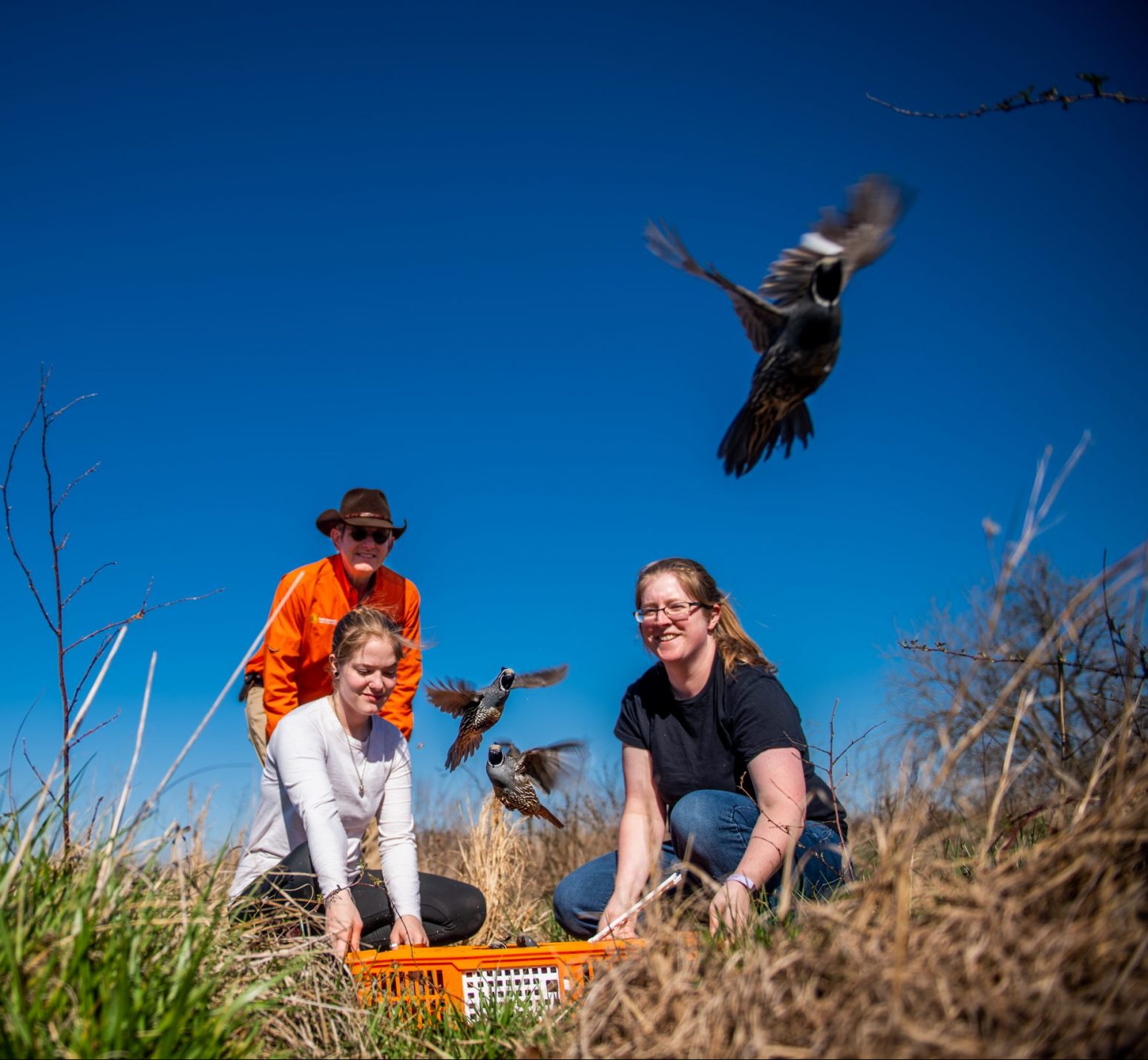
The Super Quail Project works to produce an affordable gamebird with wild-type survivability and a more stringent thermal tolerance so that they are prolific in challenging environments. We've made great progress in this arena and are building a Super Quail Production facility.
Our Facilities
TED AND DONNA Lyon Center for Gamebird Research
Thanks to Ted and Donna Lyon’s transformative 2023 gift, we’re building a research and education complex that matches our ambitions. State-of-the-art labs, cutting-edge production facilities, and spaces designed for collaboration.
SHAPE THE FUTURE OF GAMEBIRDS
Partner with us to establish your lasting contribution to upland gamebird science.
We’re hiring
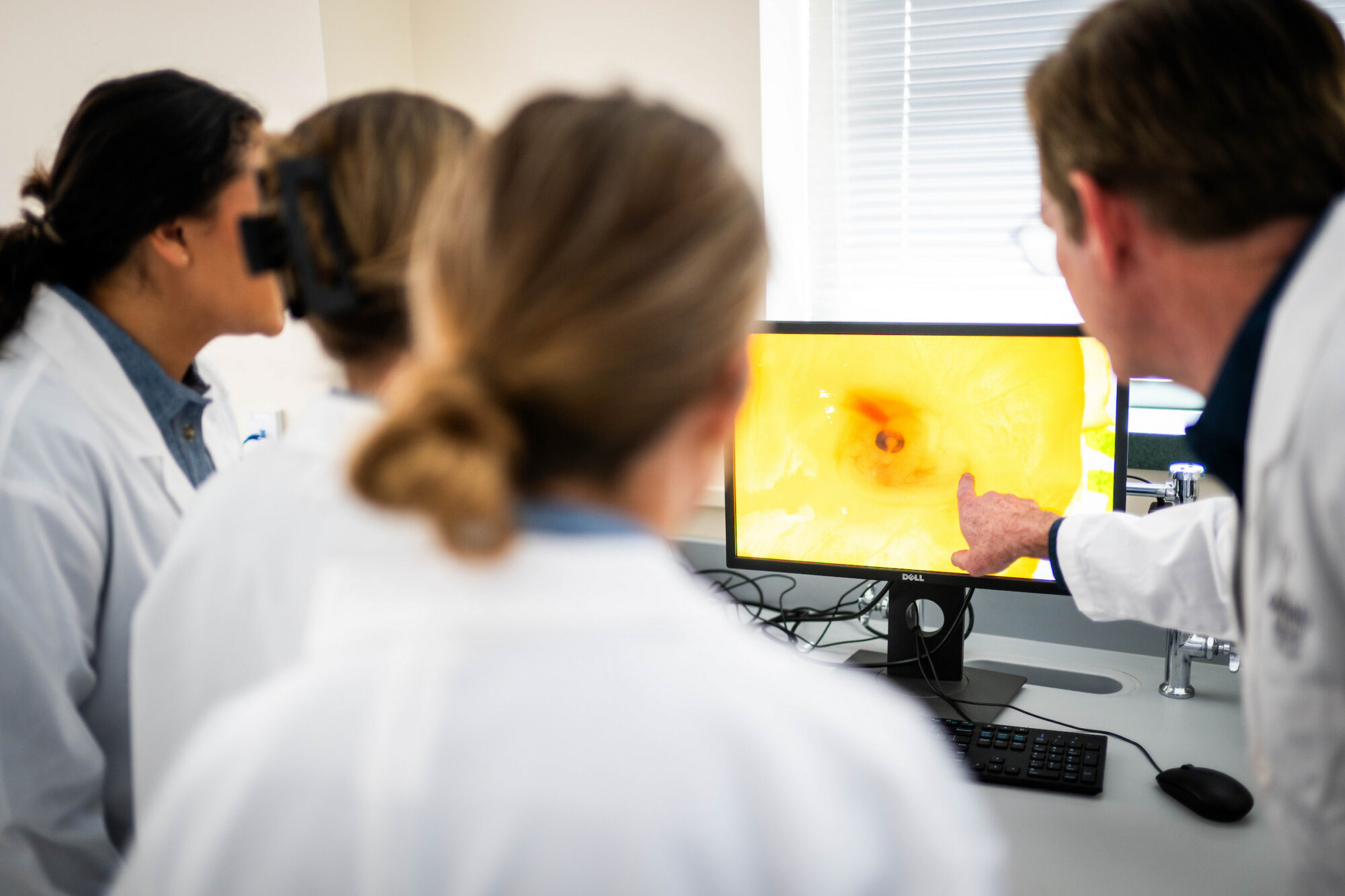
The Reyna Lab seeks exceptional individuals ready to advance upland gamebird science. Full-time positions are available as well as research opportunities from undergraduate through postdoctoral.
News Spotlights
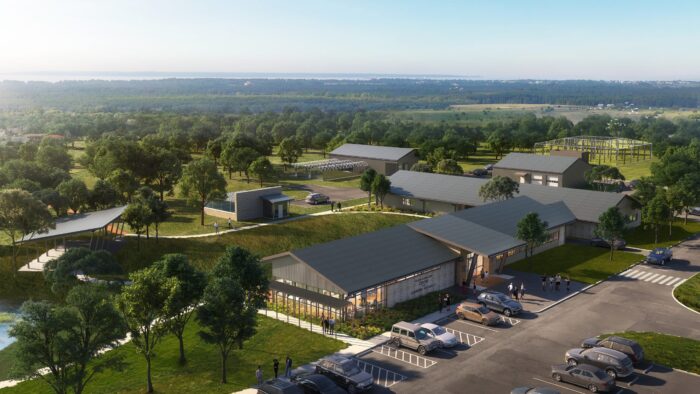
Saving the Quail: The Lyon Center for Gamebird Research at East Texas A&M is Restoring a Valuable Texas Resource
The Lyon Center for Gamebird Research at East Texas A&M University is poised to tackle the gamebird population crisis head-on.
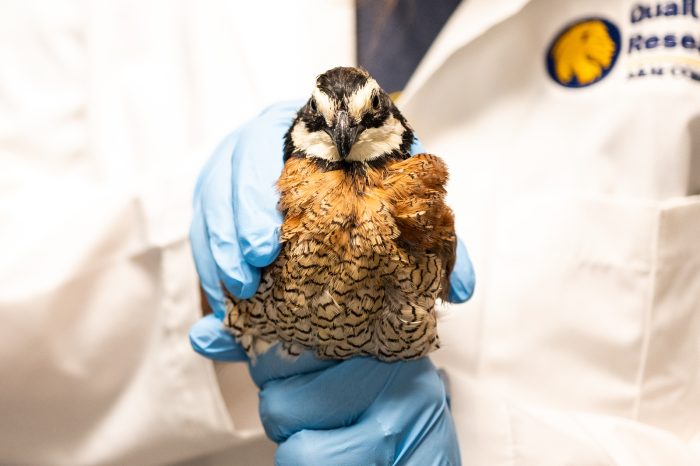
Ted and Donna Lyon Center for Gamebird Research Highlighted in Premier Conservation Journal
The Quail Forever Journal article highlights the Lyon Center's efforts to secure sustainable game bird populations in Texas and beyond.
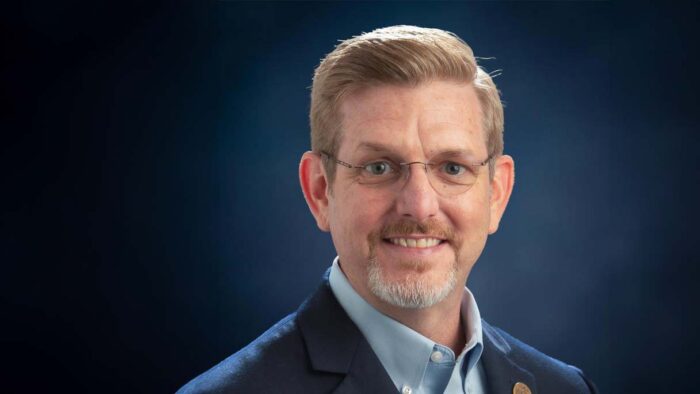
Renowned A&M-Commerce Quail Professor Quoted in Texas Monthly
Dr. Kelly Reyna provided insight on efforts to save the popular gamebird.
Meet Our Staff
-
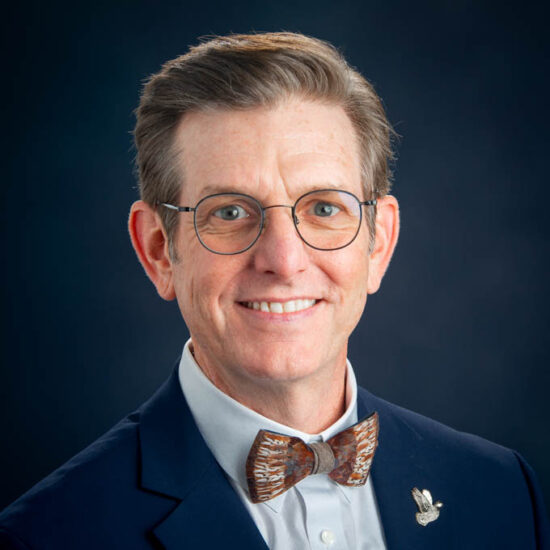
Kelly Reyna, Ph.D. Faculty Professor, Director of the Lyon Center for Gamebird Research
-
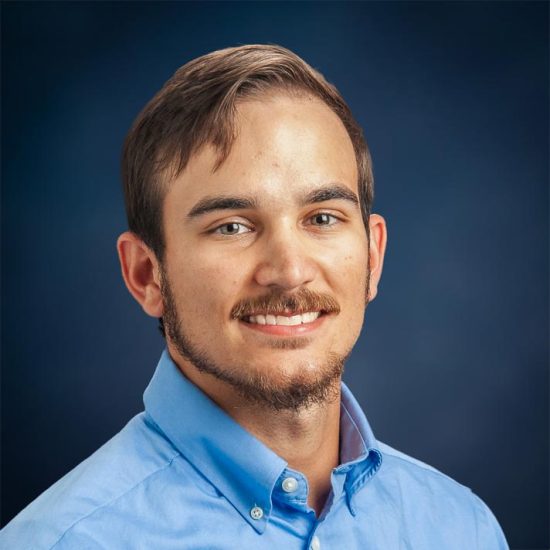
Garrett Rushing Alum Staff Postdoctoral Research Fellow
-
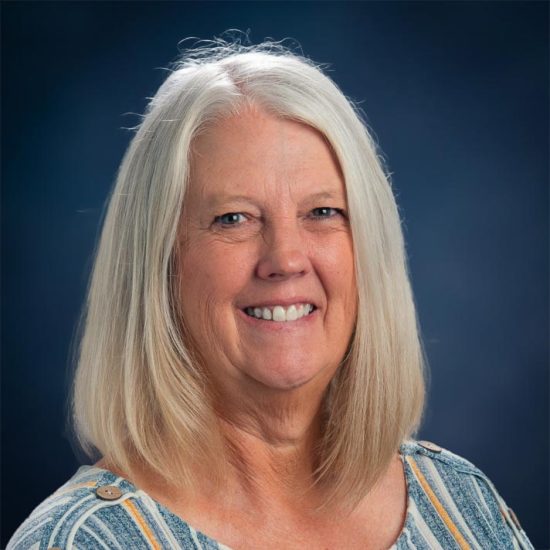
Jessie Trespeses Staff Communication and Outreach Coordinator
-
Josh Ayres Student Graduate Gamebird Scholar
-
Henslee McWhorter Student Student Worker Undergraduate Gamebird Scholar
-
Josh Gray Student Undergraduate Gamebird Scholar
-
Denise Rater Staff Administrative Coordinator