


Exoplanets and Binary Star Systems
Dr. Billy Quarles
Dr. Quarles studies exoplanets and binary star systems through both observational and computational approaches. His research combines time-series photometry, orbital dynamics modeling, and numerical simulations to better understand the architectures and stability of close binaries as well as exoplanetary systems.
Dr. Quarles’ group routinely uses ground-based telescopes (including the SARA network and East Texas A&M telescopes) to monitor eclipsing binaries and planetary transits, with an emphasis on precise timing measurements that can reveal subtle dynamical effects such as apsidal motion, eclipse timing variations (ETVs), or additional companions. Over the course of the program, a student will develop practical skills in astronomical observing, data reduction, time-domain analysis, and scientific communication, as well as an understanding of how photometric variability can be used to probe stellar and planetary systems.
Student Opportunities
Students working with Prof. Quarles will select one of the following projects depending on their interests and observing opportunities:
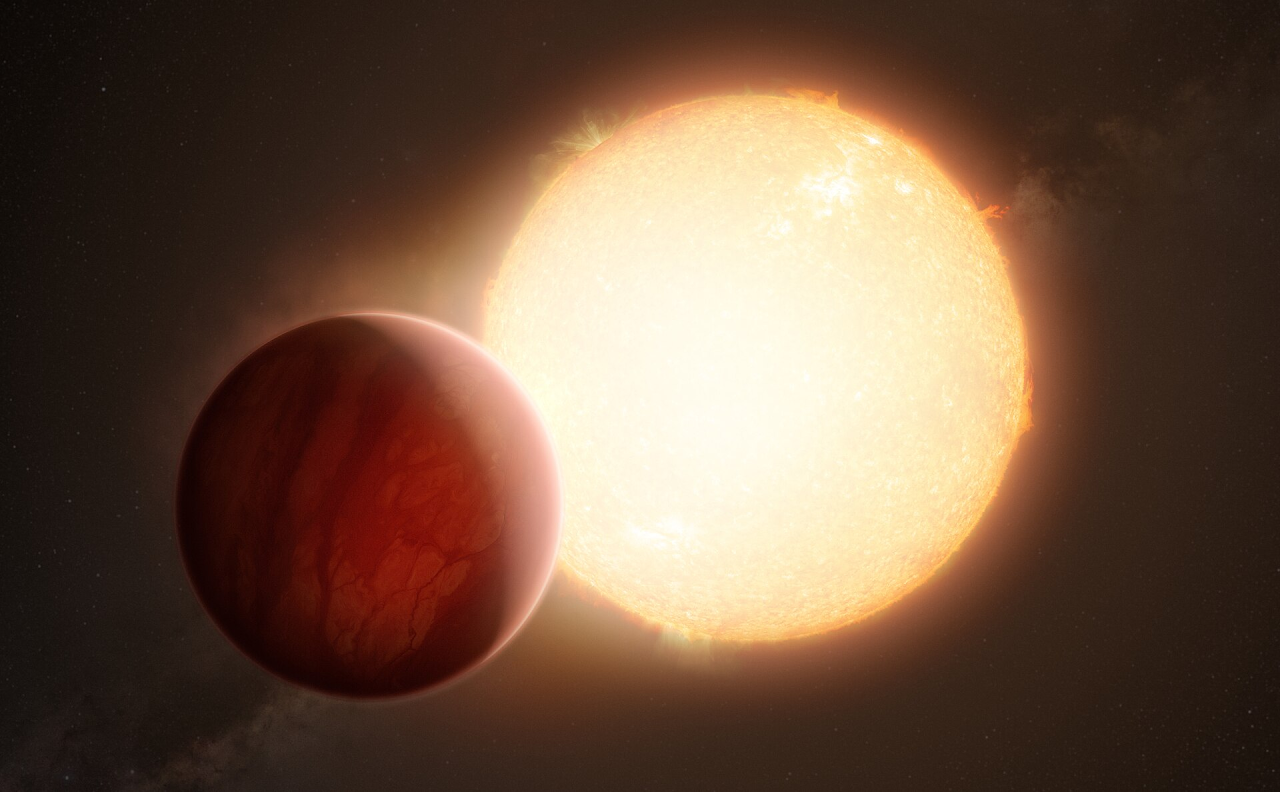
Transit Timing of Hot Jupiter Exoplanets
Students will conduct follow-up photometric observations of bright known hot Jupiter systems with short orbital periods (< 5 days). By measuring transit midpoints and comparing them to published ephemerides, we can search for deviations that may indicate additional planetary companions or orbital decay due to tidal interactions. The student's final results may lead to a publication in RNAAS.
Characterization of Close Eclipsing Binaries
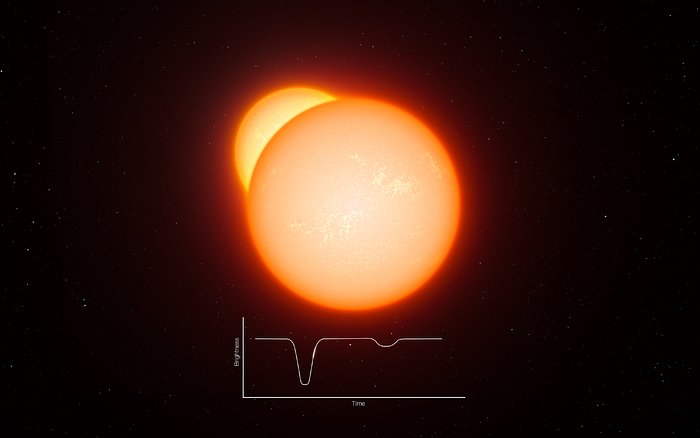
Students will obtain and analyze light curves for short-period eclipsing binaries (periods < 10 days) initially identified by TESS using campus or SARA telescopes. The goal is to measure orbital periods, eclipse depths, and any long-term timing variations. These data can reveal tidal interactions or unseen third bodies within the system. The student's final results may lead to a publication in JAAVSO.
What You Will Do
Students will begin by reading background papers on eclipsing binaries, transiting exoplanets, and time-series photometry. They will learn to operate small research telescopes, collect calibration images, and acquire high-quality photometric data. Using Python-based software tools, students will reduce and analyze the data to generate light curves and determine orbital or transit parameters. Each student will compare their results with published literature, archival data from space-based telescopes, and model their data using modern analysis packages (e.g., Lightkurve, AstroImageJ, or custom Python scripts). The student will write a final report in the style of a research journal and give an oral presentation.