



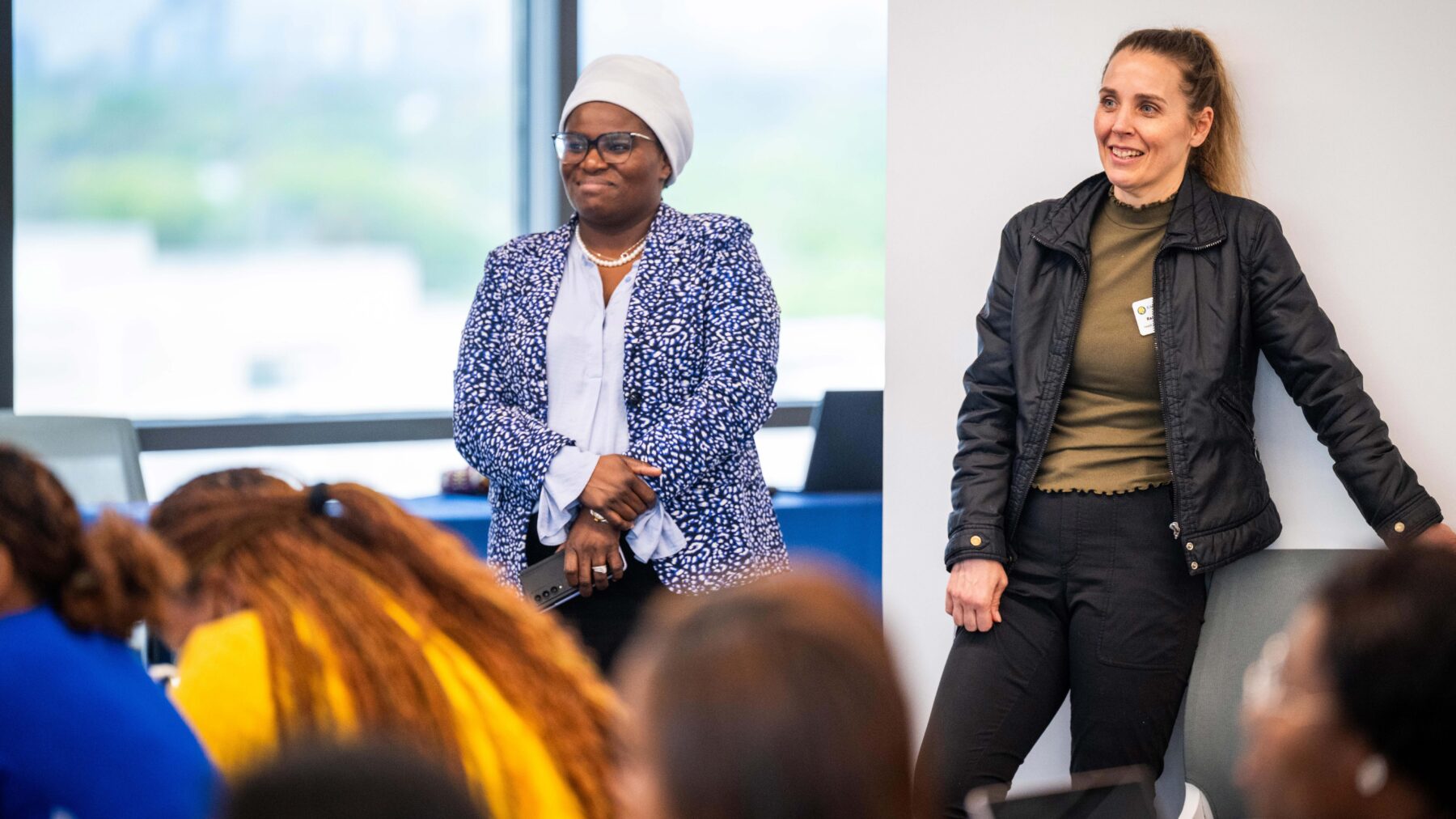
Public Health Showcase Highlights Career Pathways, Community Impact at East Texas A&M-Dallas
The annual Dallas event connects students with public health professionals and career opportunities across a wide range of health fields.
East Texas A&M University brought students and public health professionals together on March 27 for its fifth annual Public Health Showcase, an event designed to connect classroom learning with real-world application.
Held at the university's Dallas site, the showcase drew both undergraduate and graduate students for a full day of research presentations, interactive workshops and networking with industry professionals from across the Dallas-Fort Worth metroplex.
The event underscored the growing importance of public health as a field that extends beyond hospitals and clinics to address the health of entire communities—from disease prevention and health education to environmental factors and access to care.
“This was our fifth annual showcase, and a collaborative effort between the Department of Health and Human Performance and the Career Preparedness team to create a meaningful bridge between education and practice,” said Dr. Elizabeth Wachira, professor and public health program director at East Texas A&M.
Public Health Studies at East Texas A&M
Many of the students who attended the event are studying public health at East Texas A&M. East Texas A&M offers both undergraduate and graduate pathways in public health designed to prepare students for these roles.
The Bachelor of Science in Public Health equips students with foundational knowledge in health education, disease prevention and community health, while also preparing them to sit for the Certified Health Education Specialist exam. The program emphasizes hands-on learning and real-world application, helping students develop the analytical and communication skills needed to address complex health challenges.
At the graduate level, the Master of Public Health (MPH) program builds on those skills through advanced training in epidemiology, biostatistics, health policy and program development. Offered in a flexible format that includes online coursework and in-person opportunities in Dallas, the program is designed to meet the needs of working professionals while maintaining a strong focus on applied learning.
Students in the MPH program complete projects in each course that can be used in professional portfolios, along with internships tailored to their career goals. These experiences are intended to prepare graduates to step directly into roles in public health agencies, healthcare systems and community organizations.
Together, the programs reflect a growing demand for professionals who can address public health challenges at the population level—from managing disease outbreaks to improving access to care and promoting healthier lifestyles.
Learning and Career Connections
Through initiatives like the Public Health Showcase, Wachira said students gain exposure to the wide range of career paths available in public health while building connections that can shape their futures.
“We've seen students secure highly competitive placements that have led to careers in organizations such as the Department of State Health Services,” she said.
The showcase featured student research “lightning talks,” which are _____.
Students also participated in a series of workshops focused on both technical knowledge and career readiness. Topics included navigating the job market after graduation, public health nutrition, environmental health through solar energy, data storytelling and professional branding.
One session explored the use of voice-activated, artificial intelligence tools to improve emergency response in rural and resource-limited settings, highlighting how innovation is shaping the future of healthcare delivery.
In addition to workshops, students engaged directly with vendors and organizations representing a broad spectrum of the public health field. Participants included healthcare providers, government agencies, nonprofit organizations and academic institutions, offering students insight into potential career pathways and internship opportunities.
Wachira said the event was well received by students, presenters and vendors alike, with strong engagement throughout the day.
“It was engaging,” she said. “Students were very intent on the workshop sessions, and getting to interact one-on-one with professionals was very good. Workshop speakers and vendors said it was a great event and they plan to attend next time.”
The university plans to continue hosting the showcase each spring in Dallas while exploring the addition of a fall event in Commerce to expand access for more students.
Bridging Education and Community Impact
East Texas A&M-Dallas plays a key role in the university's public health initiatives, providing students with access to a major metropolitan area rich in healthcare systems, public health organizations and career opportunities. The setting allows students to connect directly with professionals and organizations actively working to improve community health outcomes.
Events like the Public Health Showcase provide a direct link between education and those real-world needs, giving students a clearer understanding of how their skills can make an impact.
As public health continues to evolve, Wachira said creating opportunities for students to engage with professionals and explore career pathways remains a priority.
“Our goal is to help students see the diverse options available to them and to connect them with the people and organizations that can help them get there,” she said.