



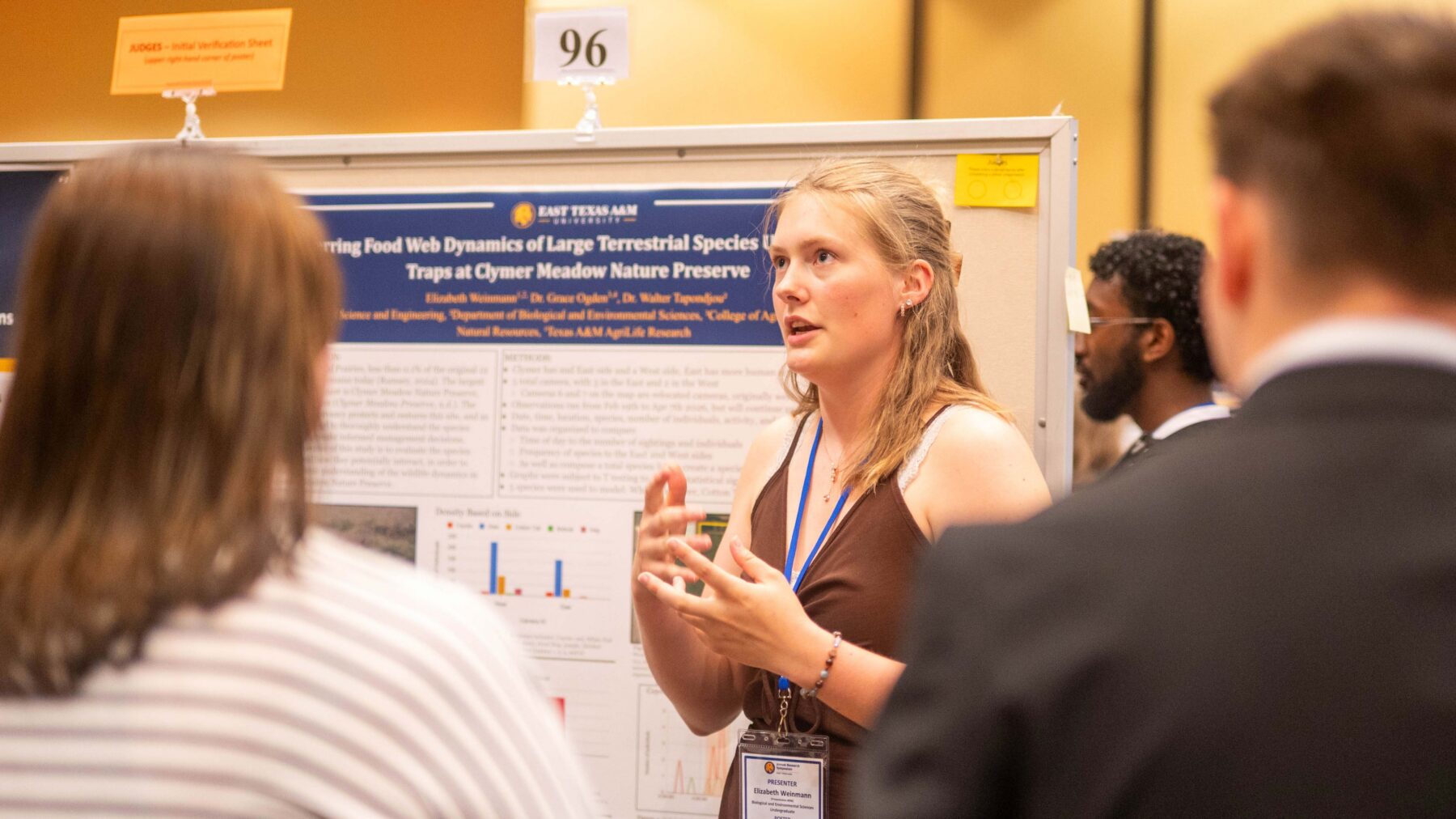
Spring Graduate Gains Hands-on Research Experience at Clymer Meadow Nature Preserve
Field experience and faculty mentorship prepare one East Texas A&M senior for a future in wildlife conservation.
As she prepares to graduate from East Texas A&M University, Elizabeth Weinmann is already stepping into the next phase of a career rooted in field research, conservation and hands-on learning.
A wildlife and conservation science major in the Department of Biological and Environmental Sciences, Elizabeth recently completed an undergraduate research project at Clymer Meadow Nature Preserve in one of the last remaining examples of Texas' endangered Blackland Prairie. Her work there reflects the kind of real-world experience many students in East Texas A&M's wildlife program experience.
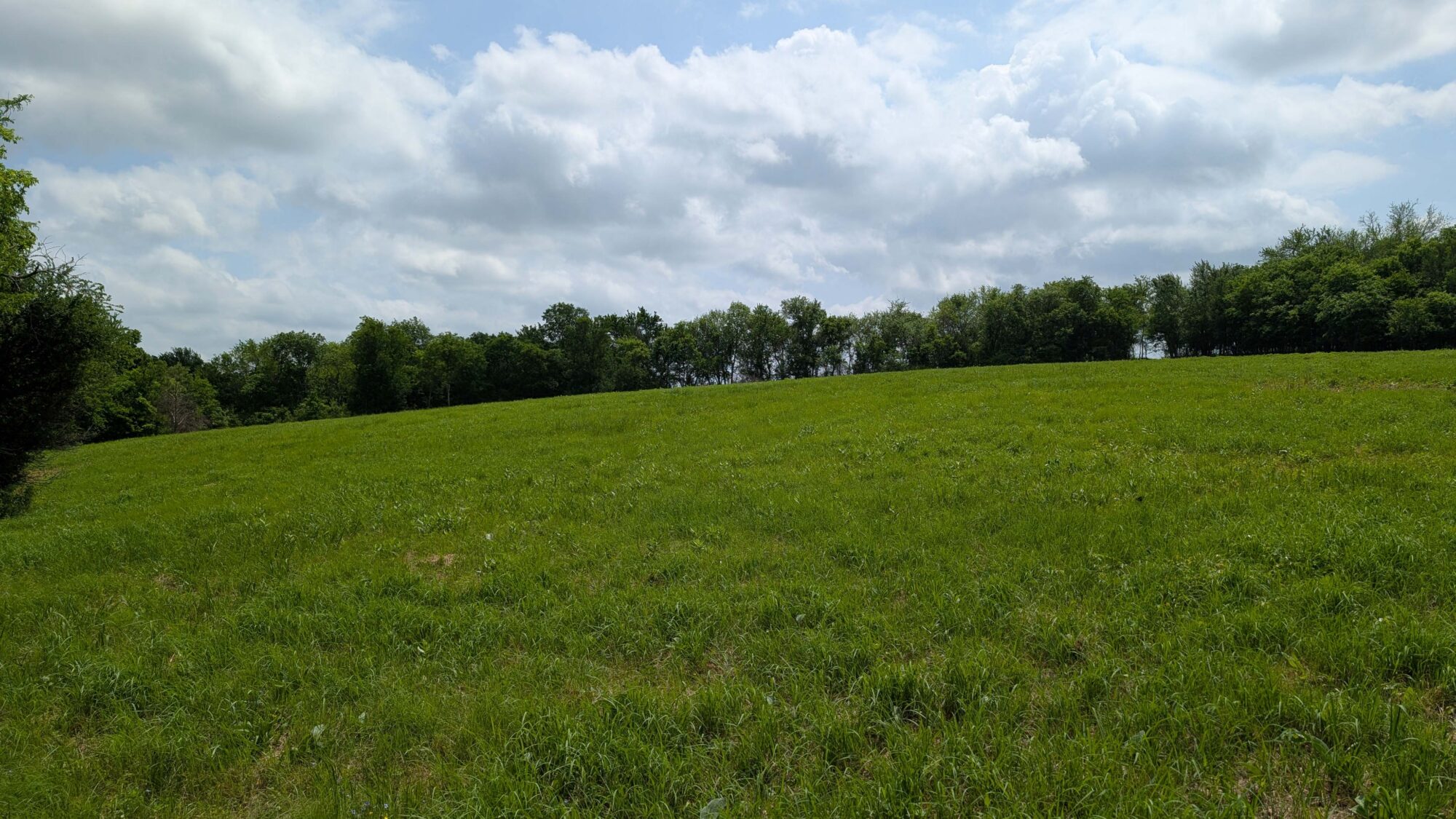
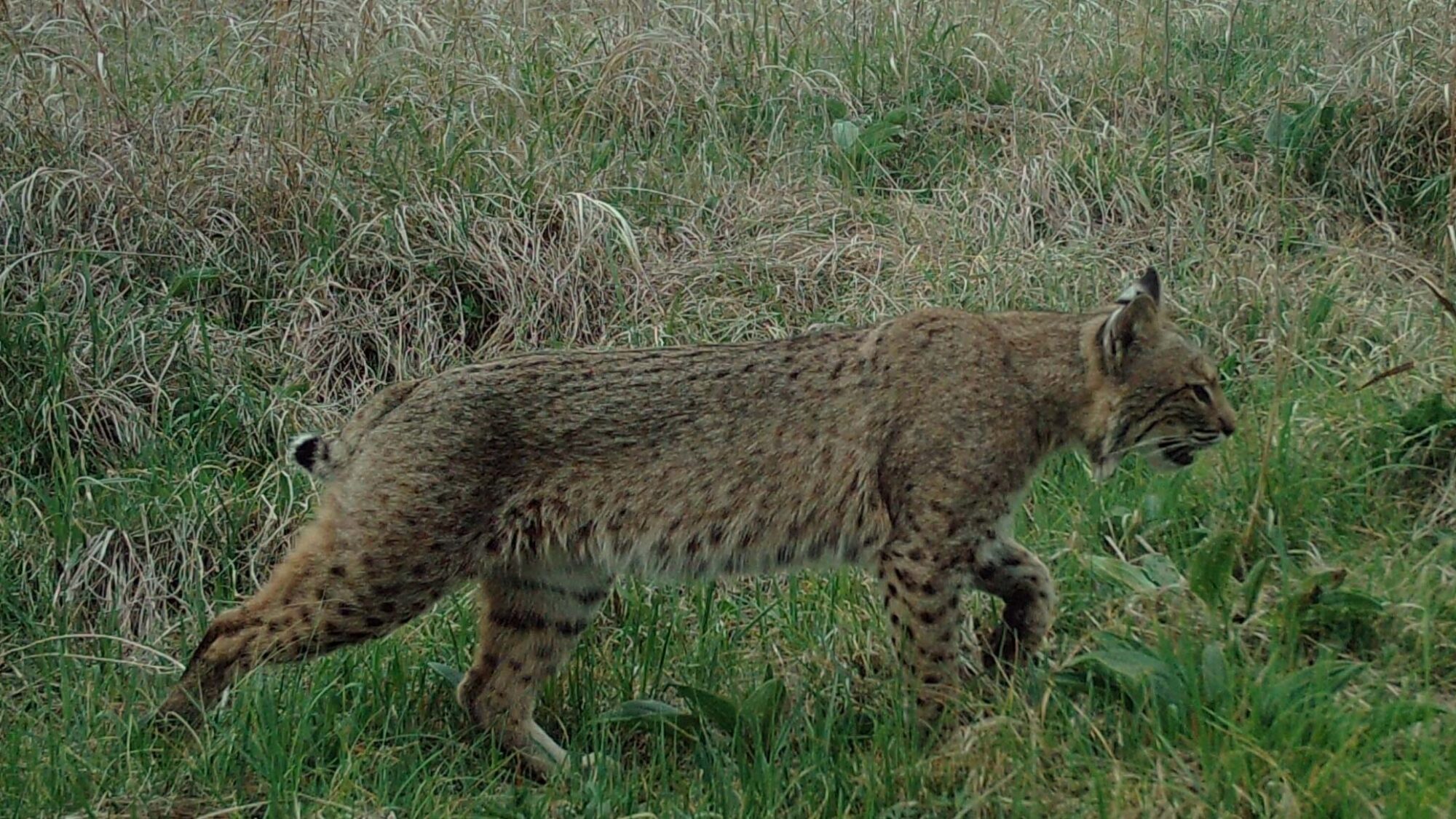
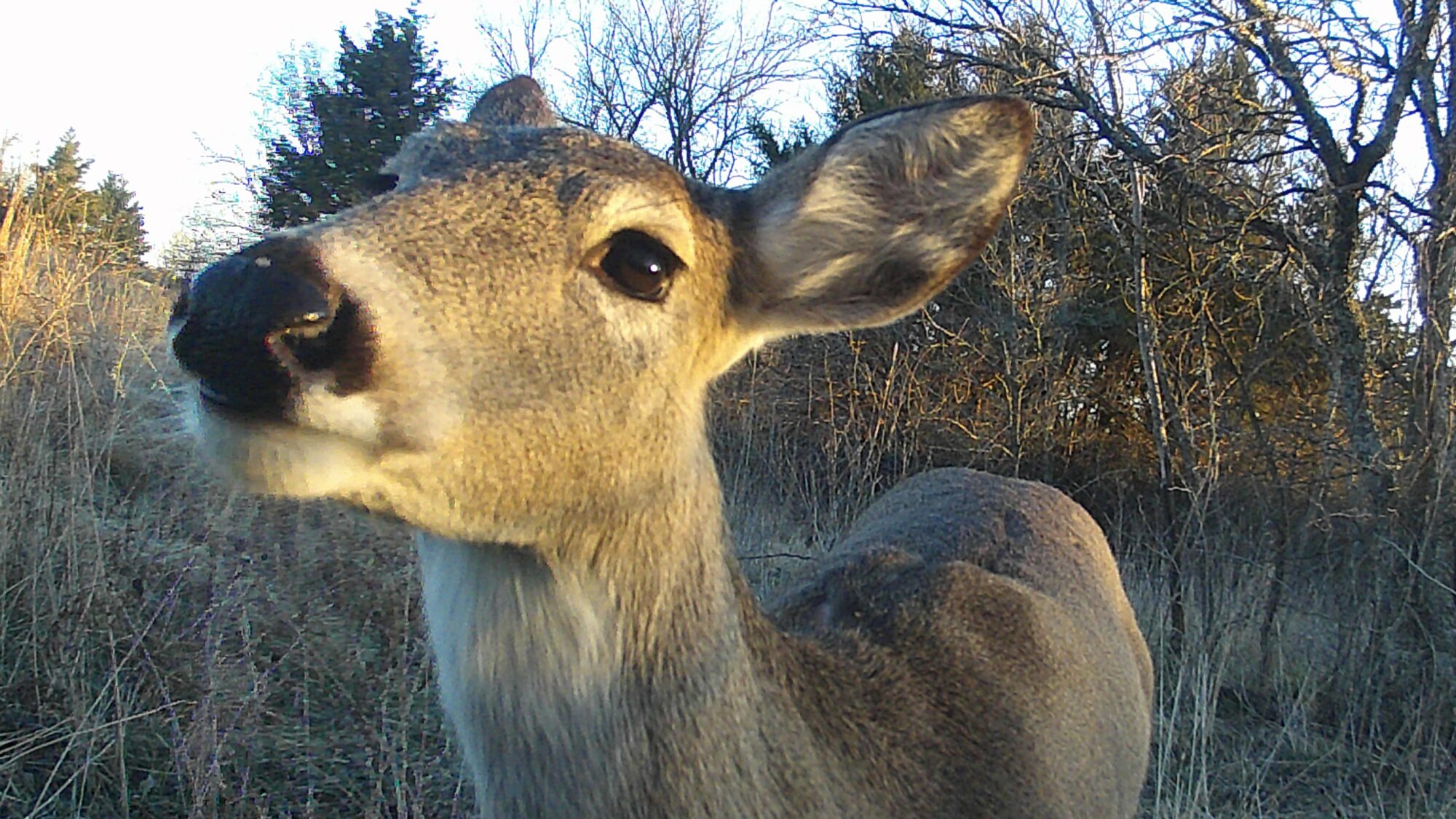
Elizabeth's research focused on tracking wildlife movement using five game cameras placed along trails and near water sources to determine when over the course of any given day animals were most active. Over time, she documented activity from species including coyotes, bobcats, deer, rabbits and feral hogs, along with occasional sightings of raccoons, armadillos and even a roadrunner.
“I had game cameras set up across the area and was studying terrestrial, mostly mammal activity across the space,” Elizabeth said. “That way, we can better understand when and where animals are most active during the day.”
Her findings revealed clear patterns. Predators such as coyotes and bobcats, along with deer, were most active during dawn and dusk. Rabbits, however, followed a different schedule.
“Rabbits were the one exception,” she said. “They were most active in the middle of the night. That makes sense because they're prey—they're avoiding the times when predators are most active.”
The research carries practical applications for land management and conservation. By understanding when and where animals are most active, conservationists can make more informed decisions about when to conduct restoration work or use heavy equipment, minimizing disruption to wildlife.
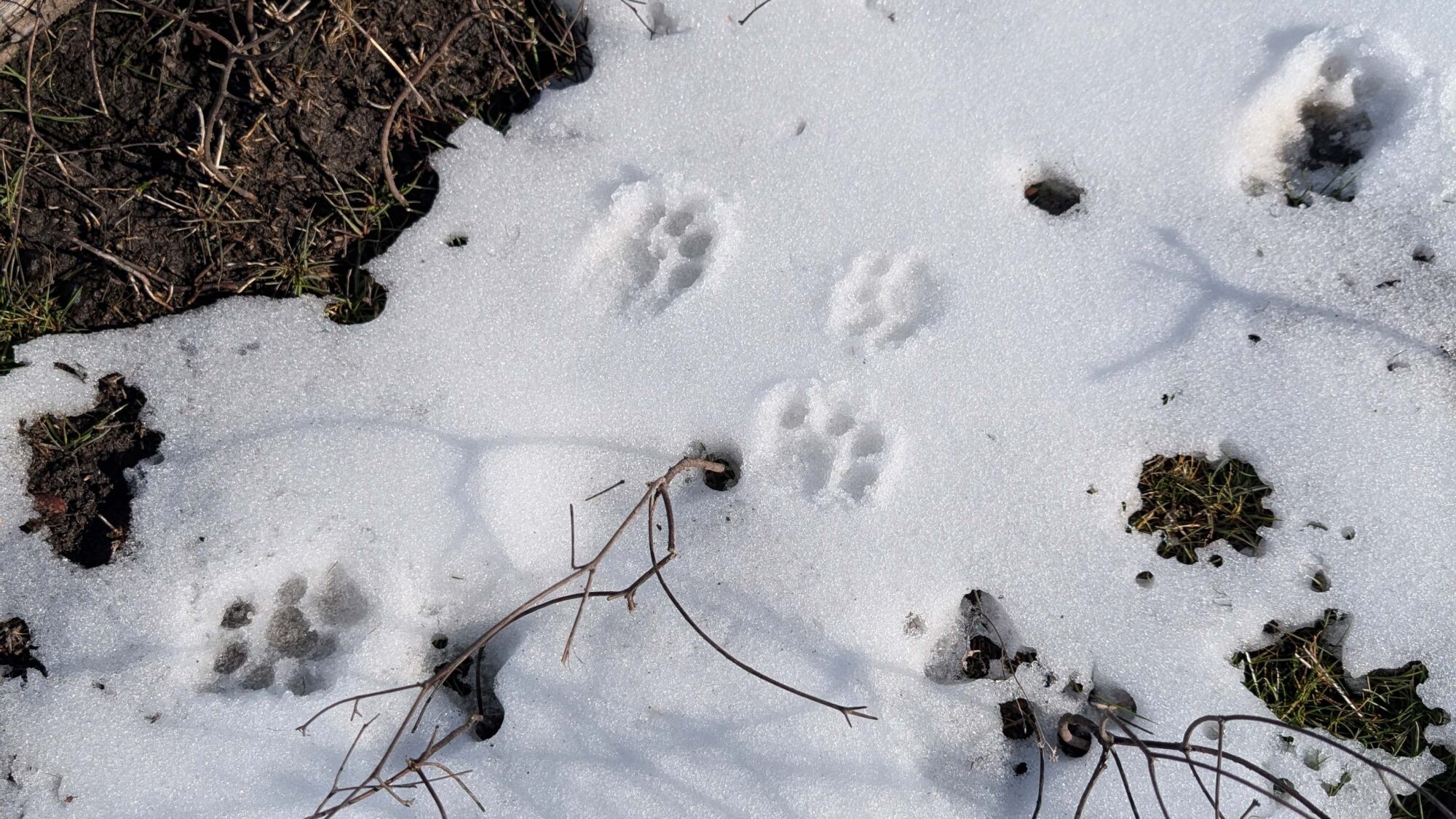
“If you're able to identify when a species is most active and where, you can target practices to either help them or hinder them,” Elizabeth said. “For predators, maybe you want to avoid interfering with them. But for invasive species like feral hogs, that information helps with control efforts.”
Clymer Meadow Nature Preserve, owned and managed by The Nature Conservancy, provides an ideal setting for this kind of work. Located near Celeste, Texas, the preserve is the largest remnant Blackland Prairie, protecting 1400 acres of unplowed meadow, an ecosystem that has largely disappeared due to agriculture and development, but which is now growing with land easements. Its mix of native grasses, wetlands and wildlife habitats makes it a valuable site for both conservation and research.
Elizabeth's project was part of an internship that also fulfilled requirements for her Honors College coursework and degree program. In addition to conducting research, she contributed to restoration efforts, including fence removal—an important step in returning land to a more natural state.
“That internship covered a lot,” she said. “It counted for my honors credit, my internship requirement, and my research project. It all wrapped up perfectly.”
Experiences like Elizabeth's are central to East Texas A&M's Wildlife and Conservation Science program, which emphasizes field-based learning and applied research. Students are not only introduced to ecological theory in the classroom but are also given opportunities to test those concepts in real environments—whether through internships, research projects or faculty-led studies.
Within the Department of Biological and Environmental Sciences, students explore everything from organismal biology to ecosystem dynamics, preparing them for careers in wildlife management, conservation and environmental research.
Elizabeth credits much of her growth to mentorship from others, including Professor Jeffery Kopachena for suggesting the internship and her supervisor at Clymer, Brandon Belcher—but perhaps most of all, Dr. Grace Ogden, who played a key role in guiding her academic and research efforts.
“Dr. Ogden, she's been an astounding mentor and now a close friend and an amazing supervisor,” Elizabeth said. “I'm so happy that I got the opportunity to work with her.”
Ogden said Elizabeth stood out from the very beginning.
“My first introduction to Liz was through email—she was asking if she could volunteer at Twin Oaks Farm, despite having a limited schedule. When I say limited, she was offering to come in at 6 or 7 a.m.,” Ogden said. “This go-getter attitude has been consistent throughout her time here.”
Ogden noted that Elizabeth contributed to a wide range of projects, including leading website development efforts, creating a recipe book and supporting student research initiatives.
“She has brought knowledge, kindness, humor and direction to our team, and she has grown both personally and professionally over the last two years,” Ogden said. “Liz has been an integral part of developing our vision for Twin Oaks. Outside of that work, she has conducted research at Clymer Meadow Nature Preserve and presented two research posters at the annual research symposium. I am excited to see her excel in her next chapter.”
That next chapter is already taking shape. Elizabeth has received a verbal offer for a spot in a Ph.D. program at Oklahoma State University and plans to begin work this summer as a technician studying invasive species and rangeland management.
Her long-term goal is to work in ecological restoration, combining research, planning and education to improve natural spaces over time.
“I would love to work in active restoration projects, either designing them or proposing ideas,” she said. “Actively working toward making spaces better, but also bringing in support so that those spaces stay better over a long period of time—that's really my goal.”
For prospective students considering a future in wildlife and conservation, Elizabeth's experience offers a clear example of what's possible.
Through hands-on research, faculty mentorship and real-world application, East Texas A&M students aren't just learning about ecosystems—they're helping protect and restore them.