




LEAP Conference Advances Ethical Publishing for Early-Career Engineering Faculty
As ethical challenges in research grow more complex, from AI use to predatory publishing, East Texas A&M University-Dallas convened experts from across the country to help early-career engineering faculty navigate the landscape.
Held on April 17 and 18, the LEAP Conference (Leveraging Ethical Authorship & Publishing Practices for Early Career Engineering Faculty) brought together a wide range of experts, including senior administrators and faculty from leading universities nationwide.
A grant from the National Science Foundation (NSF) funded the event, which was led by East Texas A&M and The Texas A&M University System.
Dr. Lucy Pickering, principal investigator of the NSF grant—and also a full professor of applied linguistics, director of Research Integrity and Compliance, and research integrity officer—said the conference filled an important knowledge gap for professors.
“Faculty, especially in the STEM areas, are subject to a dizzying array of new problems, ranging from predatory publishing to the appropriate use of AI,” Pickering said. “It can be quite difficult to navigate this new environment. The LEAP Conference is a first step in providing help and guidance.”
The conference covered topics such as preventing research misconduct, detrimental research practices, responsible authorship practices, effective mentorship, responsible use of artificial intelligence in publishing, and determining reputable publication venues.
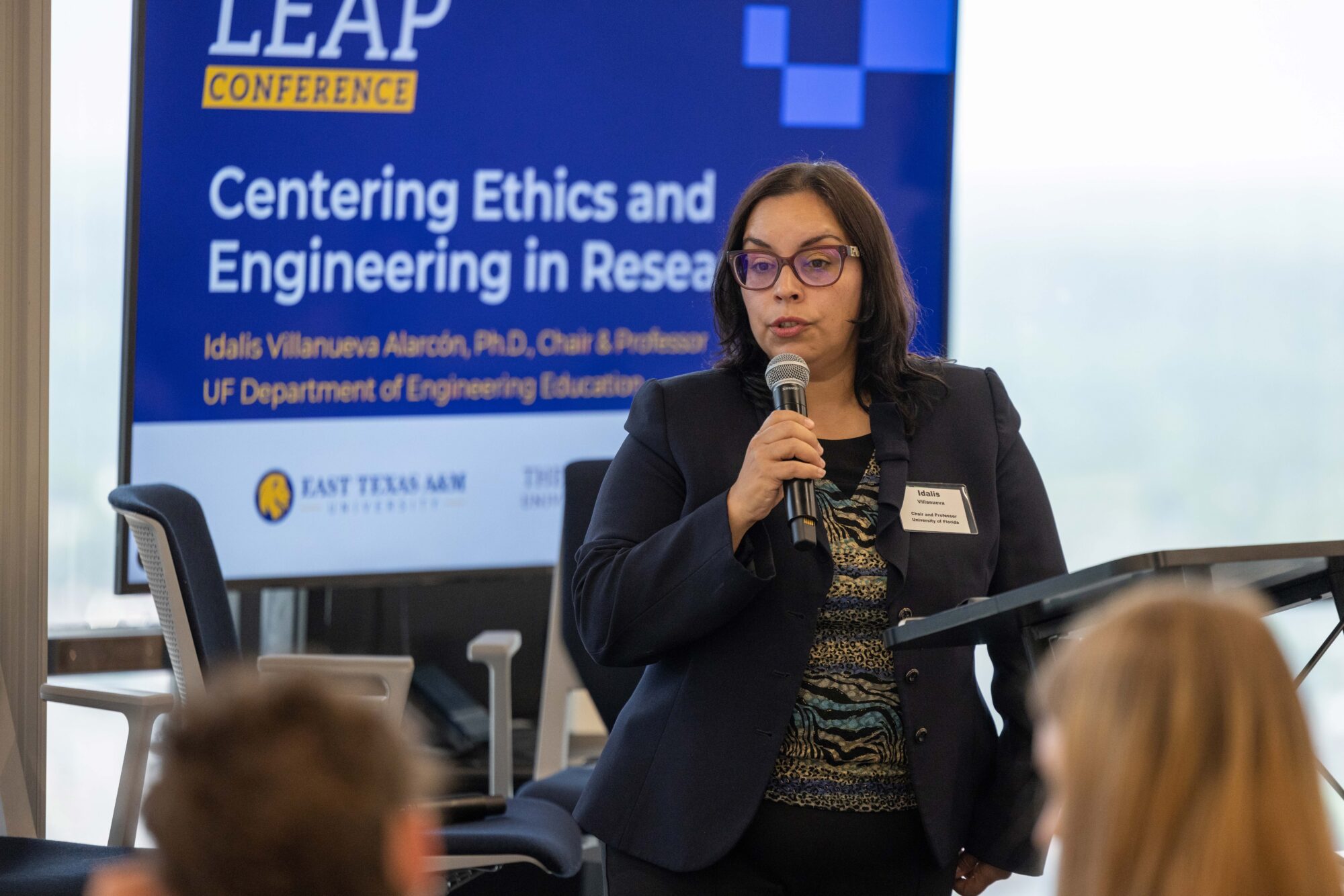
Keynote presentations were given by Dr. Idalis Villanueva Alarcón, chair and professor in the Department of Engineering Education at the University of Florida, and Dr. Daniel Kulp, past president of the Committee on Publication Ethics (COPE), as well as a number of plenary presentations and panel discussions.
Alarcón's keynote emphasized the critical role of ethics in engineering research and education, examining authorship practices across disciplines and highlighting how ethical research standards shape both the classroom and the professional development of students and educators.
Kulp's presentation focused on maintaining integrity when sharing research, outlining common ethical pitfalls in publishing and presenting work, and offering best practices to help researchers navigate the dissemination process responsibly.
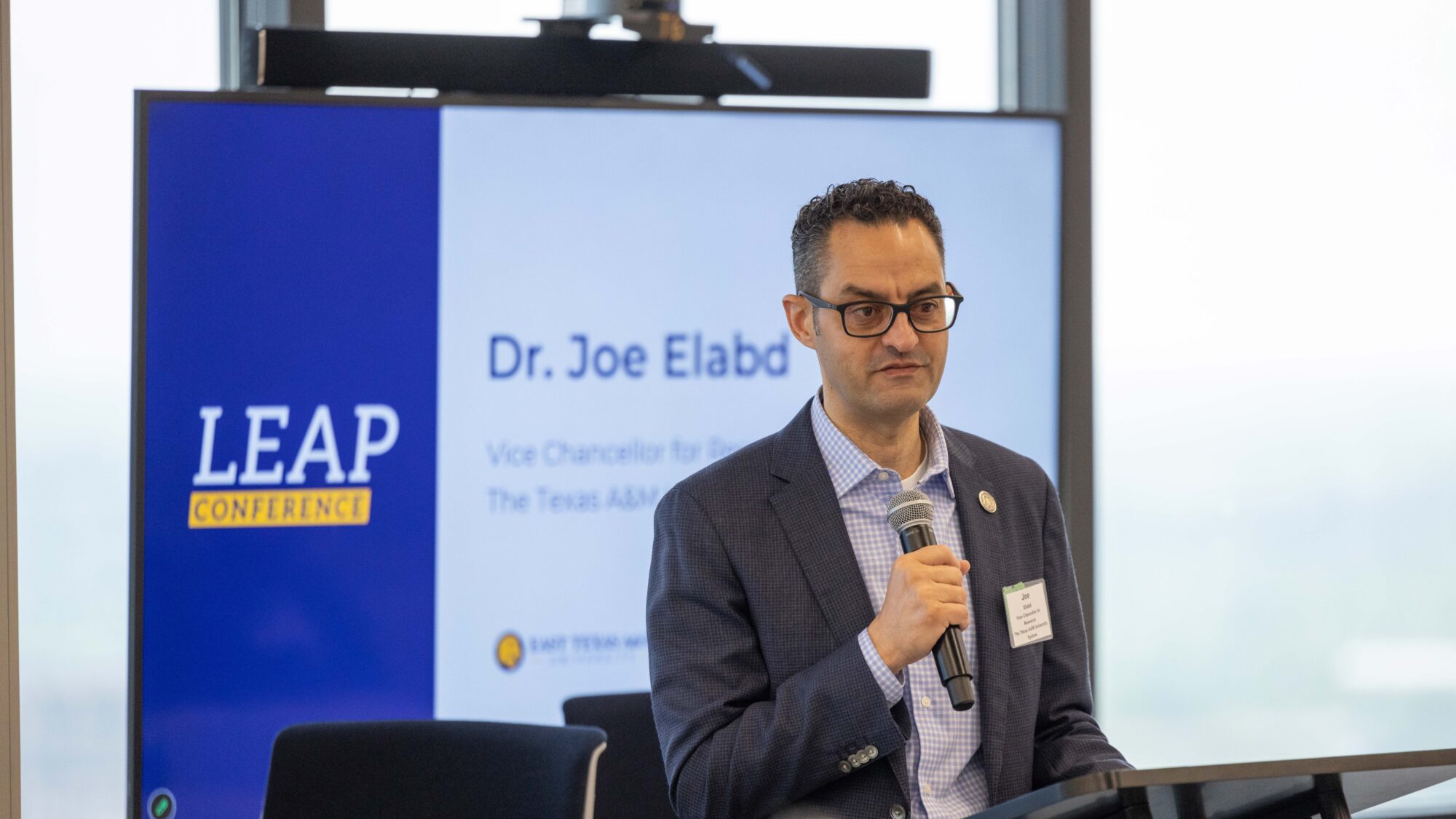
Other presenters included Dr. Joe Elabd, vice chancellor for research at the Texas A&M System; Dr. J.C. Chiao, professor of electrical and computer engineering (SMU); and Dr. Susan Garfinkel, CEO of Research Integrity Partners, among others.
Spirited discussions followed the presentations and panels, confirming that complex ethical and methodological issues can be debated in engaging and effective ways, without sacrificing rigor and accuracy. Several presenters emphasized that the LEAP Conference is just a starting point, the beginning of a broader and much-needed set of ETAMU and A&M System initiatives to support ethical and responsible research and authorship in academe.
With support from the grant, Dr. Pickering and Dr. Stacy Pritt, associate vice chancellor and chief research compliance officer at the Texas A&M System, are also developing several tools to assist faculty in practicing ethical research.
Learn more about the LEAP Conference on ETAMU's LEAP webpage.